



The journey of American flag craftsmanship begins with its deep historical roots. Since the birth of the United States, the American flag has stood as a symbol of freedom and unity. Its construction has evolved over centuries, adapting new techniques while maintaining traditional practices. Early American flags were made by hand, with local seamstresses painstakingly stitching each star and stripe. These flags were more than just symbols. They were a testament to the skill and dedication of the artisans who crafted them. The methods used in these early days laid the foundation for the modern flag-making processes we see today.
The Art of Stitching in Flag Craftsmanship
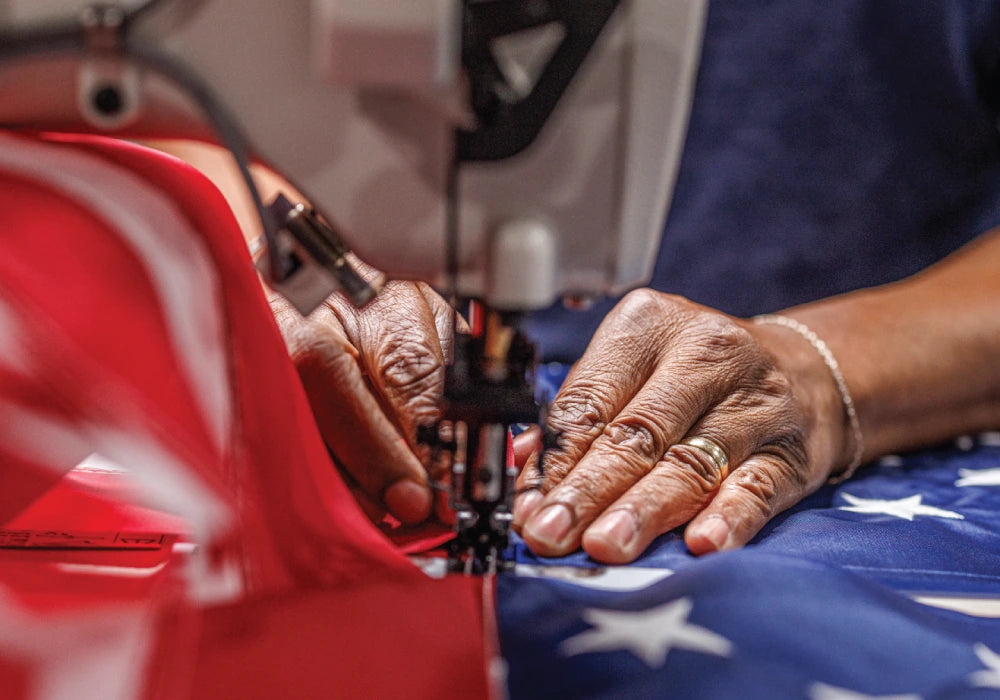
Different types of stitches are used to achieve various aesthetic and functional goals. The most common stitches include the straight stitch, zigzag stitch, and reinforced hem stitch. Each stitch type has its purpose; for example, a straight stitch might be used to attach stars, while a zigzag stitch could be used to prevent fraying on stripes. The choice of stitch not only impacts the flag's appearance but also its durability.
The patterns sewn into an American flag are not just decorative; they carry great significance. Each stitch pattern is chosen for its ability to enhance the flag's visual appeal. For example, the arrangement of stars in a circle or a grid pattern has specific historical references, recalling various periods in American history. These patterns connect the present to the past, embedding historical symbolism into the flag's fabric.
A well-stitched flag can withstand high winds, heavy rains, and intense sunlight without coming apart or fading quickly. This resilience is particularly important for outdoor flags, which are continuously exposed to the elements. The choice of stitching technique, along with the quality of the thread used, plays a crucial role in ensuring that the flag remains a proud and enduring symbol.
Hand-Sewn vs Machine-Sewn Flags
When comparing hand-sewn vs machine-sewn American flags, it's important to consider both qualities. Hand-sewn flags often exhibit a level of craftsmanship that is hard to replicate with machines. Each stitch is carefully placed, ensuring strong seams and a high level of detail. On the other hand, machine-sewn flags benefit from the precision and consistency that modern technology offers. While they may lack the unique character of hand-sewn flags, they are often more uniform and can be produced much faster.
Hand stitching in flag-making is more than just a technique; it's a representation of heritage and meticulous craftsmanship. Each hand-sewn American flag is unique, with subtle variations that tell a story of individual artistry. This traditional approach to flag-making not only ensures a high-quality product but also maintains a connection to the historical methods of flag construction. The value of hand stitching lies not just in its aesthetic appeal but also in its ability to embody the spirit of authenticity and dedication. In contrast, the precision of machine stitching in modern flag-making cannot be understated. Advanced sewing machines can produce tight, consistent stitches at a speed unattainable by hand. This efficiency is crucial in meeting the high demand for American flags. Machine-sewn flags boast uniformity and strength, making them suitable for both ceremonial and everyday use. The technology used in these machines ensures that each flag meets exact specifications, maintaining the authentic American flag design and integrity.
Materials That Complement Stitching
High-grade fabrics like nylon, polyester, and cotton are commonly used in the construction of American flags. Nylon is favored for its lightweight and wind-resistant properties, making it ideal for outdoor flags. Polyester offers durability and strength, suitable for harsh weather conditions. Cotton, with its traditional appeal, is preferred for indoor flags and ceremonial purposes. The right fabric choice enhances the overall quality of the flag, contributing to its longevity and visual appeal.
Matching the right materials with appropriate stitching techniques is crucial in flag-making. The type of fabric influences the choice of stitch and thread. For instance, heavier fabrics like polyester may require stronger threads and more robust stitches, whereas lighter materials like nylon might be paired with finer threads and less dense stitching patterns. This harmonization between material and technique is essential for maximizing the flag's durability and ensuring that it remains intact and vibrant over time.
Practicality and Patriotism in Flag Purchasing
Recent advances in textile durability research have significantly impacted the practical aspects of flag purchasing. This research examines the longevity of various fabrics and stitching methods under different conditions, offering valuable insights for consumers. Durability is a key factor, especially for flags meant for outdoor display, as they are exposed to harsh weather conditions. Understanding the results of this research helps buyers make informed decisions, ensuring they select a flag that not only looks good but also lasts longer, embodying the resilience and endurance of the American spirit.
A well-stitched flag, with attention to detail and quality, reflects a deep respect for the national emblem. Consumers who prioritize stitching quality in their flag purchases demonstrate a commitment to upholding the values the flag represents. This attention to quality goes beyond mere aesthetics; it's about honoring the flag and everything it stands for. When purchasing an American flag, aesthetics and practical considerations go hand in hand. The flag should be visually appealing, with vibrant colors and precise stitching, but also practical for its intended use. Factors such as fabric type, size, and mounting options need to be considered. When assessing the stitching quality of an American flag, consider the following aspects:
- Stitch Consistency: Check for uniform stitch lengths and consistent spacing, which indicate machine precision or skilled handcrafting.
- Thread Quality: Look for threads that are robust and colorfast, ensuring they won’t fade or weaken quickly.
- Seam Strength: Gently tug at the seams to test their strength. Well-sewn seams should not come apart easily.
- Alignment of Elements: Ensure that the stars and stripes are aligned correctly and the edges are straight.
- Finish: Examine the overall finish of the flag. It should be neat, with no loose threads or frayed edges.
This dual consideration ensures that the flag one chooses not only flutters proudly in the wind but also holds a special place in the heart.
Supporting Local Artisans and Ethical Production
Choosing an American-made, hand-stitched flag does more than secure a beautifully crafted symbol of national pride. It actively supports local artisans, preserves cherished traditions, and promotes ethical, sustainable manufacturing practices. When you purchase a flag made by skilled craftspeople within the United States, your investment directly sustains jobs and livelihoods in local communities. These artisans dedicate years to mastering their craft, passing down specialized skills from one generation to the next. By opting for their work over mass-produced imports, you help ensure that these time-honored techniques and the artistry behind them are not lost to automation or outsourcing. This support extends beyond economic impact; it reinforces a sense of community and pride in American workmanship.
Moreover, American-made flags are often produced under strict labor regulations, guaranteeing fair wages and safe working conditions. Standards are not always met in overseas factories. This ethical commitment means your purchase aligns with the values of fairness, integrity, and respect for the people behind the product. Many domestic flag makers also prioritize environmentally responsible practices, sourcing local and sustainable materials such as organic cotton or recycled fibers. This reduces the carbon footprint associated with long-distance shipping and minimizes the use of harmful chemicals, contributing to a healthier planet. Hand-stitching itself is a lower-impact process, generating less waste and requiring less energy than industrial manufacturing.
By choosing a hand-stitched American flag, you make a conscious decision to support sustainable production and ethical labor while helping to keep traditional American craftsmanship alive. This choice transforms a simple purchase into a meaningful act. In a world increasingly dominated by automation and fast production, selecting an American-made, hand-stitched flag is a powerful way to celebrate authenticity, community, and the enduring values the flag represents.
Guidance for Informed Purchasing
Making an informed decision when purchasing an American flag ensures you receive a product that truly honors the nation’s heritage and stands the test of time. Whether you’re displaying your flag outdoors or preserving it as a cherished keepsake, knowing what to look for can make all the difference. Below are four essential considerations to guide you in selecting a flag that reflects authentic craftsmanship, quality, and care.
- Recognizing Authentic Craftsmanship: Examine the flag’s stitching and construction closely. Authentic craftsmanship is evident in even, tight stitches, reinforced seams, and securely attached stars and stripes. Look for hand-sewn or high-quality machine-stitched flags, as these often display subtle variations or uniformity that signal skilled workmanship. Authentic flags should not have loose threads, frayed edges, or misaligned elements. Request close-up photos or inspect the flag in person if possible to ensure you’re investing in a product that embodies true American artistry.
- Choosing Reputable Retailers: Purchase your flag from established and reputable retailers, whether online or in physical stores. Look for sellers who provide transparent information about the flag’s origin, materials, and construction methods. Reputable retailers often offer flags that are certified as “Made in the USA” and may provide documentation such as certificates of authenticity or FMAA (Flag Manufacturers Association of America) certification. Reading customer reviews and seeking recommendations can also help ensure you’re buying from a trusted source that stands behind its products.
- Evaluating Quality and Durability: Assess the materials and threads used in the flag’s construction. High-quality flags typically use durable, weather-resistant fabrics like nylon or polyester for outdoor use, while cotton is preferred for indoor or ceremonial purposes. Pay attention to features such as double-stitched hems, UV-resistant threads, and vibrant, colorfast dyes.
- Understanding Maintenance and Care Requirements: Proper maintenance is crucial for preserving your flag’s beauty and integrity. Choose a flag that comes with clear care instructions from the manufacturer. Regularly inspect your flag for signs of wear, such as fraying or fading, and clean it using recommended gentle methods, typically hand-washing with mild detergent and air drying. Store the flag in a cool, dry place when not in use, and avoid displaying it during severe weather.
By following these guidelines, you can confidently select an American flag that meets high standards of authenticity, quality, and care. An informed purchase not only honors the flag’s symbolism but also supports the traditions and values woven into every stitch.
Frequently Asked Questions
Stitching is a crucial factor in determining how long an American flag will last, especially when exposed to the elements. Below, we address common questions about how stitching quality and technique contribute to the flag’s durability and lifespan.
How does stitching quality affect the durability of an American flag?
High-quality stitching ensures strong seams and prevents unraveling, allowing the flag to withstand wind, rain, and sun exposure without coming apart or fraying prematurely.
What types of stitches are commonly used in American flags?
Common stitches include straight, zigzag, and reinforced hem stitches. Each type serves a practical purpose, such as attaching stars, preventing fraying, or strengthening edges.
Why is the zigzag stitch important for flag durability?
The zigzag stitch helps prevent fraying along the flag’s edges, offering flexibility and strength to withstand constant motion and harsh outdoor conditions.
How does thread quality impact flag longevity?
Durable, colorfast threads resist fading and weakening from weather and sunlight, ensuring the flag maintains its integrity and vibrant appearance over time.
Does the number of stitches per inch matter?
Yes. A higher stitch density means stronger seams, reducing the risk of tearing and enhancing the flag’s ability to endure repeated stress.
How do different stitching techniques benefit outdoor flags?
Techniques like reinforced hems and double-stitching provide extra strength at stress points, making outdoor flags more resilient against high winds and adverse weather.
Is there a difference in durability between hand-sewn and machine-sewn flags?
Both can be durable if made with care. Machine-sewn flags often offer more uniform, tight stitches, while hand-sewn flags may reinforce specific areas for added strength.
Can poor stitching shorten a flag’s lifespan?
Yes. Inconsistent or loose stitching can lead to early fraying, seam failure, and overall reduced lifespan, especially for flags displayed outdoors.
Understanding the intricacies of flag craftsmanship, especially stitching, is essential for making informed purchases. Consumers should be aware of the different types of stitching, materials, and techniques used in flag-making. By recognizing the importance of these elements, one can choose a flag that not only looks dignified but also withstands the test of time. An informed purchase is a way to show respect for the flag and, by extension, the nation it represents. Choose a flag that honors this tradition by exploring Allegiance’s USA-made American flags. It's a choice that goes beyond aesthetics, delving into the realm of patriotism and national pride.