



Flying the American flag outdoors is a proud tradition, but not all flags are built to last through the elements. If you're looking for the best outdoor American flag that will endure sun, wind, and rain, the material it’s made of should be your top consideration. In this post, we’ll explore the benefits of nylon flags and explain why premium nylon fabric stands out as the ideal choice for a durable outdoor American flag. We’ll compare nylon vs polyester flag materials, discuss what makes nylon an all-weather performer, and examine how quality and craftsmanship contribute to a flag’s longevity.
Materials for Outdoor American Flags
Outdoor U.S. flags are typically made from one of three materials: nylon, polyester, or cotton. Each has unique properties that affect how the flag looks and how well it survives outside. The high-quality flag materials used in modern flags have evolved to balance traditional appearance with durability.
-
Cotton: The most traditional material, cotton offers a classic look and soft feel. However, cotton is not ideal for long-term outdoor use. It’s a natural fiber, so moisture and sunlight accelerate its wear and tear compared to synthetics. Cotton flags can fade, fray, and even grow mildew if left in the rain. They’re best reserved for short-term fair-weather display or indoor ceremonial use, where their vintage appeal can be appreciated without heavy stress. A cotton flag left outdoors continuously will not remain a durable American flag for long compared to synthetic fabrics.
-
Polyester: Polyester is a man-made fiber known for its strength. Heavy two-ply polyester flags are extremely tough and often used in harsh conditions. A polyester flag has a more textured, wool-like appearance and is thicker and heavier than nylon. Because of its weight and dense weave, polyester excels in high winds and daily wear-and-tear; it’s often considered the go-to for a truly heavy-duty American flag in coastal or storm-prone areas. However, the added weight means polyester flags need strong winds to fly properly. They can also be cumbersome on small flagpoles or wall-mounted brackets. Polyester’s toughness makes it very durable, but this material can be overkill for the average home flag display.
-
Nylon: Nylon is another synthetic fiber and is by far the most popular choice for outdoor U.S. flags today. Nylon flags hit the sweet spot between the other two materials. They are lightweight, strong, and weather-resistant. Nylon fabric has a slightly sheened finish, giving the colors a lustrous appearance. It does very well in a wide range of conditions, making it an excellent all-round material.
When it comes to making a flag that lasts outside, synthetic fabrics are the clear winners. Both nylon and polyester can yield heavy-duty U.S. flags, but each serves different needs.

All-Weather Performance: Sunlight and Rain
One of nylon’s biggest advantages is its all-weather capability. A premium nylon flag is often marketed as an all-weather American flag, meaning it can handle the usual range of outdoor conditions better than other materials. Let’s break down how nylon copes with the two main elements: UV sun exposure and moisture.
-
Sun Resistance: The sun is a flag’s natural enemy over time. Harsh ultraviolet (UV) rays will eventually fade and weaken any fabric. The goal for a flag material is to resist UV damage as long as possible. Nylon is typically treated with UV inhibitors to slow down fading. Moreover, the type of nylon used in flags (often a 200-denier nylon) has inherent properties that make it quite UV-stable. It is often noted to provide excellent resistance to sunlight. For example, one flag supplier points out that their 200-denier nylon American flags are the best choice for very sunny climates because the nylon offers the best resistance to damaging ultraviolet (UV) radiation. This means that if you live in a place with intense sun (think a high-altitude state like Arizona or Colorado, or a tropical climate like Florida), a nylon flag will generally hold its colors longer than many other materials. The reds will stay red, and the blues will stay blue for a good length of time. Polyester flags also can be made with UV-resistant dyes and fibers and are likewise marketed as fade-resistant, but there’s a trade-off: those heavy polyester flags might last long, but by the time they start to fade, the fabric might already be quite aged or fraying. Nylon’s ability to retain vivid color while also remaining physically intact makes it shine in sunny conditions. Of course, no flag is completely immune to sun fading forever. After many months in direct sunlight, you’ll notice some dulling of colors. However, premium nylon will fade more slowly and evenly, keeping an attractive appearance for as long as possible.
-
Rain & Moisture: When it pours, nylon really shows its strengths. Nylon fibers do not absorb water the way natural fibers do. Instead, water tends to run off. You might notice rain beads on a nylon flag, and the flag doesn’t get soaked through. This property means a nylon flag doesn’t become much heavier in rain and won’t stretch or sag significantly when wet. By contrast, a polyester flag can absorb more moisture into its fibers. Ever pick up a wet cotton towel versus a microfiber one? The cotton feels sodden and heavy, whereas the synthetic might feel merely damp. Similarly, a drenched polyester flag can become quite weighty. Nylon’s quick water shedding prevents that waterlogged effect. For rainy or humid regions, nylon is ideal. It’s the material of choice in environments where you want a flag flying soon after the storm passes, rather than drooping while it dries out.
Weather-wise, nylon is truly an all-weather performer. It stands up to bright sun with minimal fading, and it shrugs off rain with water-repelling properties and dries fast. Few other materials can claim to handle both ends of the weather spectrum as gracefully. This robust weather resistance is a major reason nylon flags are so popular among those who need a flag they can “raise and forget,” confident it will endure whatever Mother Nature sends.
Lightweight Advantages: Easy Flying and Handling
If you’re using a residential flagpole, you’ll want to pay attention to how heavy your flag is. A heavy flag can act like a sail that tugs hard on its mount. This can loosen brackets or even bend/break poles in strong winds. Nylon’s low weight minimizes this issue. Even when wet, a nylon flag remains relatively light. Polyester flags, by contrast, can become very heavy when soaked with rain. A vivid illustration: one flag manufacturer warns that in wall-mounted setups, a drenched polyester flag can hold so much water that it becomes heavy enough to cause the flagpole to break. That’s a scenario you’re highly unlikely to encounter with nylon, since nylon doesn’t retain water that way. Nylon’s lighter weight means less strain on the pole, less risk to brackets, and generally a safer display in variable weather.
The joy of having a flag is seeing it wave proudly. With a nylon flag, you’ll see movement on days when a heavier flag might just droop. This is particularly important for those in areas with little wind. For instance, in a suburban neighborhood shielded by trees, or during the summer when winds can be calm, a nylon flag will still respond to the slightest breeze. You don’t need to wait for a windy day to enjoy your flag fully unfurled. This is one reason nylon is often the default choice for residential flags. It performs consistently in displaying the flag, not just surviving the weather. A 4x6 American flag made of nylon will fly in conditions that the same flag in polyester might not. Likewise, even a larger 5x8 American flag can catch the breeze if it’s nylon, whereas a polyester of that size might hang still unless a strong wind blows.

Anyone who has handled a bigger flag knows that the material can have some heft. Nylon’s lightness makes raising and lowering the flag easier. It’s less weight to pull up the pole and less weight to control on the way down. Folding a nylon flag is also simpler. The material is not as bulky or stiff as heavy polyester. If you ever need to rinse or wash your flag, a nylon flag is easier to clean and dries quicker, as noted. For ceremonial uses or parades, nylon is far preferable; you wouldn’t want to carry a heavy, wet polyester flag on a windless day in a parade route, for example. Nylon’s smooth texture also glides better when you’re hoisting or furling the flag, reducing snags on the pole or halyard. All these little ease-of-use factors contribute to the overall experience of owning and caring for a flag.
Because nylon flags are light, they’re suitable for a variety of flagpole setups. A small 20-foot steel pole in your yard, a telescoping pole, a porch-mounted pole, or even indoor display poles – nylon works with all. You don’t have to worry. Nylon will almost always be fine. In contrast, some U.S. flag shops actually caution customers that their pole might not be appropriate for polyester flags. The last thing a flag enthusiast wants is to damage their mounting or have a safety issue. Nylon largely avoids that concern. It’s a more forgiving material for different hardware.
Choosing the Most Durable U.S. Flag: American-Made Quality Matters
To truly get the benefits of nylon, you want a flag that is well-constructed and, ideally, made with quality standards that ensure longevity. This is where the origin and craftsmanship come into play. Many experienced flag buyers will insist on American flags made in the USA, and there are good reasons for this preference.
First, flags made in the USA must meet certain specifications and quality controls. The United States has a robust textile industry for flag-making, with companies that have been doing it for generations. Buying an American-made flag supports the economy, but it also usually means you’re getting an exceptional product crafted from the finest materials, whereas cheap foreign-made flags often use subpar fabric or thread and can fall apart quickly. The old adage “you get what you pay for” applies. Imported bargain flags might seem attractive in price, but they tend to use thin nylon that can’t withstand harsh weather for long. These flags might start to fray or fade in a matter of weeks, turning what seemed like a deal into a short-lived disappointment. On the other hand, a flag that’s proudly Made in the USA usually uses authentic 200-denier nylon, high-quality dyes, and sturdy stitching. It’s built to meet the standards that veterans, patriots, and institutions expect.
When shopping, whether online or at brick-and-mortar U.S. flag shops, look for indicators of quality, such as the nylon denier, the type of stitching, and features like embroidered stars and sewn stripes. These details are signs of a well-made flag. Premium nylon flags from reputable manufacturers will typically have double-stitched fly hems and strong brass grommets for hanging.
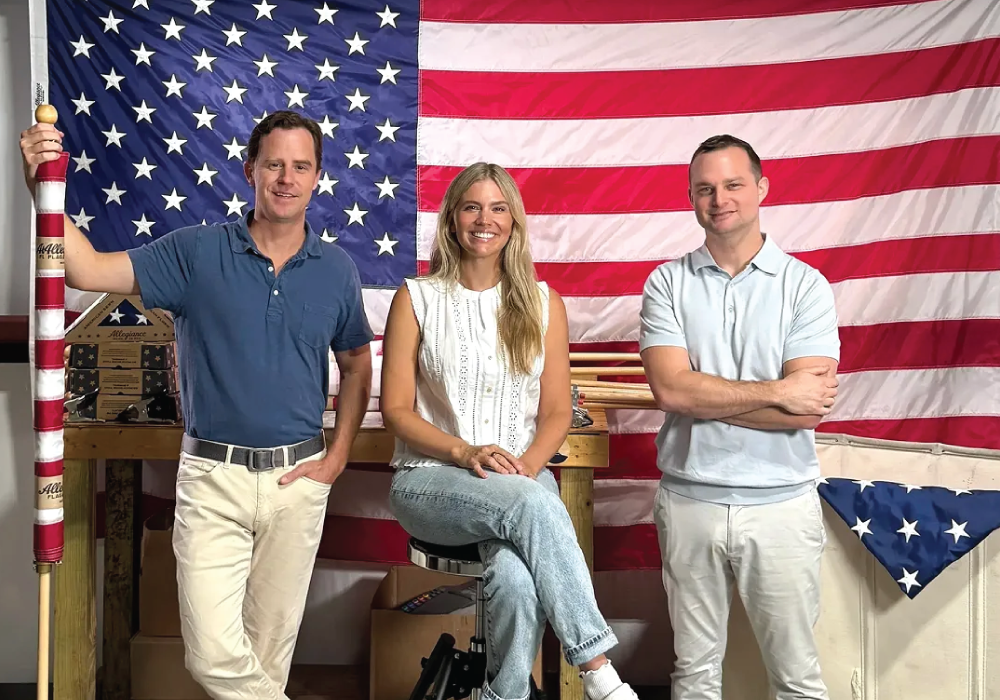
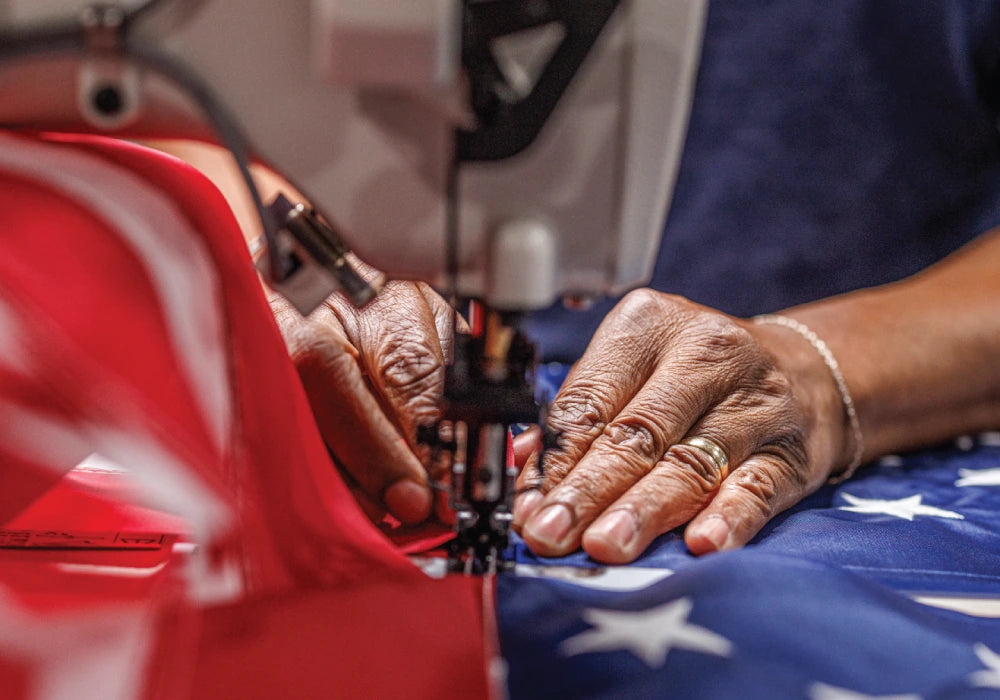
One example of a brand focusing on this high standard is Allegiance. They produce premium nylon durable USA flags, combining superior material with meticulous craftsmanship. By sourcing heavy-duty nylon and employing skilled American sewers, they ensure that each flag can withstand outdoor conditions while looking beautiful. Brands like this often hand-inspect their flags, use extra stitching where needed, and even incorporate details like embroidered stars that stand out in 3D. The result is a flag that not only lasts longer but also looks higher in quality when it’s flying.

Showing allegiance to the flag is about respect: respect for what it stands for, and also respect for how we care for it. Opting for a premium nylon flag is a practical way to honor the Stars and Stripes. It ensures your flag remains in splendid condition, waving proudly day after day. With proper care, your nylon flag will embody the steadfast spirit of the nation it represents. In the realm of outdoor flags, nylon truly flies above the rest.
Sources
-
Colonial Flag – “Nylon vs. Polyester US Flag: Which is Best For You?” (Guide comparing nylon and polyester flags for different conditions)