



When displaying the Stars and Stripes, every patriot wants the best American flags to honor this national symbol. A high-quality flag not only looks impressive but also stands up to the elements over time. Naturally, many buyers find themselves considering an American flag comparison between the two main types of flag construction: embroidered versus printed. Whether the flag is for a government building or an American flag for home display, understanding the differences between embroidered and printed flags will help you choose the right one for your needs. In this comprehensive guide, we break down how embroidered American flags differ from printed American flags in terms of craftsmanship and durability.
Embroidered vs. Printed Flag Construction and Appearance
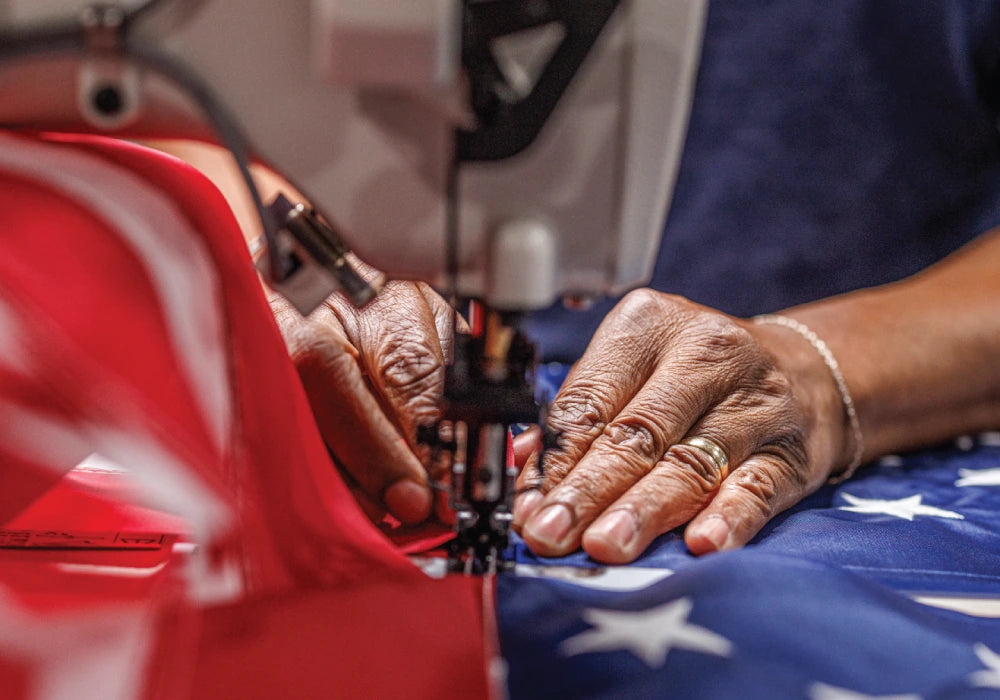
The fundamental difference between embroidered flags and printed flags lies in how the flag’s design is applied to the fabric. In an embroidered or sewn American flag, the components of the flag are individually crafted and assembled: the 13 stripes are cut from fabric and sewn together with thread, and the 50 stars are embroidered or appliquéd onto the blue canton (field) in the upper left corner. This traditional construction gives the flag a rich texture and a sense of depth. You can actually feel the raised stitches of the stars and the seams between stripes. By contrast, a printed flag has its entire design printed or dyed directly onto a single piece of fabric. In other words, the flag’s imagery is applied with ink or dye, resulting in a flat surface with no stitching patterns.

Visually, an embroidered U.S. flag often has a high-quality American flag look due to the meticulous stitching. The stars on an embroidered flag typically have a gleaming embroidered thread and stand out from the background, whereas on a printed flag, the stars and stripes are completely flat and smooth to the touch. Embroidered flags also tend to use heavier fabric and can have reinforced stitching along the edges and fly end. Printed flags usually use lighter fabric and may not feature the same level of reinforced construction, especially in cheaper variants. There is also a subtle difference in how colors appear: printed colors are often very vibrant initially, but the lack of texture means light reflects uniformly off the surface. Embroidered flags, with their stitches and layered fabric, have a certain sheen and shadow that can make the colors appear richer and less glossy.
Another aspect of appearance is how each type moves and drapes. Sewn flags, made of stitched-together panels of fabric, might be slightly heavier and may flutter a bit differently than a one-piece printed flag. However, high-end sewn flags are designed to fly well and often include features like free-fly corners to move gracefully in the wind. Printed flags, especially those made of light nylon, can flutter even in a light breeze. They might have more “give” since the fabric isn’t constrained by seams across the stripes. In terms of design complexity, printed flags can easily replicate intricate logos or emblems beyond the standard stars and stripes.
Durability: Lifespan of Printed vs. Embroidered Flags
It’s important to compare how printed and embroidered flags hold up over time, especially if you plan to use the flag outdoors. Sewn flags are known for their durability. Because the stripes are individual pieces of fabric stitched together, there’s no worry of the colors peeling off. They are part of the fabric assembly. Embroidered stars are tightly stitched in place and won’t fade as quickly as printed ink might. Printed flags, on the other hand, have the design applied as a layer of dye or ink, which can be more vulnerable to the sun’s UV rays and harsh weather. In practice, a printed flag exposed to the elements may start to show wear and color fading sooner than a comparable sewn flag. Printed flags tend to fade and wear more quickly with prolonged sun exposure, whereas sewn flags are generally more resilient and last longer under the same conditions.
Another issue with durability is fraying. On a well-made embroidered flag, the fly end often has multiple rows of stitching to prevent fraying. The stars and stripes being separate pieces also means that if one stripe starts to tear, it can sometimes be repaired or re-hemmed without replacing the whole flag. With printed flags, the material is usually thinner. Once it rips, it’s harder to fix inconspicuously. On cheaper printed flags, the ink might not fully penetrate the fabric, which means, over time, portions of the design could start to flake or peel.
A cheaply made sewn flag made of thin fabric can wear out faster than a well-made printed nylon flag if it isn’t properly constructed. But if we’re comparing flags of similar material grade, the sewn/embroidered one is usually sturdier. This is why you’ll notice that heavy-duty American flags used by government institutions or in very windy locations are almost always of the sewn variety. They are built to endure, featuring:
-
Reinforced stitching
-
Strong canvas headers
-
Brass grommets
Printed flags are often marketed for fair-weather or occasional use, or for indoor and short-term outdoor display, whereas embroidered flags are marketed as all-weather U.S. flag options suitable for continuous outdoor flying. A high-quality sewn flag might last a number of months to years of daily flying before needing retirement, whereas a printed flag of similar size and material might fade or tear sooner under identical conditions.
Cost and Use Cases: When to Choose Printed or Embroidered
If durability and appearance were the only factors, everyone might opt for embroidered flags all the time. However, cost and practical needs play a big role in the choice between printed and embroidered flags. Printed flags have a significant advantage in terms of cost-effectiveness and production speed. Because they can be mass-produced by printing on large sheets of fabric, they are usually much cheaper than sewn flags, especially in smaller sizes or large quantities.
On the other hand, embroidered (sewn) flags are often chosen for their prestige, tradition, and long-term value. They are the best American flags made in the USA for formal or significant displays. You’ll find sewn flags in front of government buildings, schools, military bases, and other institutions that prioritize a classic, respectful presentation. The craftsmanship of a sewn flag, with individually stitched stripes and stars, conveys a sense of tradition and dignity that a printed flag might not. If you’re looking for a flag to be a permanent fixture or a family keepsake, sewn is the preferred choice. The improved durability also means that if you plan to fly a flag every day outside your home or business, a sewn flag might actually be more cost-effective in the long run, despite the higher initial price, since it won’t need to be replaced as often. For those who value craftsmanship and longevity over upfront cost, an embroidered flag is worth the investment.

Flag Materials and Weather Resistance: Cotton vs Polyester American Flags (and Nylon)
If you plan to fly an American flag outdoors, it’s not just the construction that matters. The material of the flag is equally crucial to its performance. The three most common fabrics for U.S. flags are cotton, nylon, and polyester, each with its own strengths.
-
Cotton flags offer a traditional appeal. They have a soft texture and deep colors that many associate with historical flags. However, cotton is an organic fiber. It’s not very durable when exposed to the elements. These flags can fade and deteriorate quickly in rain, snow, or strong sun, and they dry slowly. For this reason, cotton is recommended mostly for indoor or ceremonial use.
-
Nylon is known for its lightweight, versatility, and weather resistance. Nylon flags have a bright, silky appearance, and they fly beautifully even in a gentle breeze because the fabric is so light. Nylon also dries very quickly after rain and is resistant to mildew. Many outdoor U.S. flags sold as “all-weather” flags are made of nylon, often branded as “200-denier nylon,” which balances strength with light weight. Nylon is an excellent choice for moderate climates or general home use: it can handle sun and rain fairly well, and because it’s light, it puts less strain on the flagpole and stitching.
-
Polyester is the heavyweight champion of flag materials. There are actually a couple of types of polyester flags, but the highest quality ones are made of two-ply polyester. These are thick, strong flags made to endure harsh weather and high winds. If you live in a coastal area, a mountain region with strong winds, or anywhere with frequent storms, a polyester flag will outlast nylon. Polyester flags have more of a matte, fabric-like finish and can handle the heavy-duty stress of wind without tearing easily. They are often a bit heavier and need a stiffer breeze to fly properly. For those in extreme climates, heavy-duty American flags made from two-ply polyester are considered the top choice for durability. The trade-off is that polyester flags are heavier and typically more expensive than nylon flags due to the extra material. Polyester is the best outdoor American flag material if longevity in tough conditions is your primary concern.
Regardless of material, remember that even the toughest outdoor U.S. flags will last longer if you take them down during extreme weather and care for them properly. Regularly inspect your flag for signs of wear. If the fabric starts to fray, a quick re-hem by a local flag shop or using a sewing machine can extend its life. By choosing the right material and giving your flag some TLC, you’ll ensure it remains a proud symbol flying high.
Quality and American-Made Flags: Choosing the Best
One way to ensure you’re getting a top-notch flag is to look for the FMAA Certified seal. FMAA stands for Flag Manufacturers Association of America. The FMAA runs a certification program that audits flag makers and guarantees that a flag bearing its “Certified Made in the U.S.A.” seal is indeed 100% made in the U.S.A. with American materials. In fact, this certification guarantees that the flag is entirely made in the United States with domestic materials and labor, ensuring a high standard of quality and supporting American jobs. Many flags sold in big box stores or online marketplaces might be imported or made with imported materials, and they often don’t hold up well (common issues with cheap imports include colors bleeding, fabric shredding quickly, or plastic grommets breaking). For the best American flags made in the USA, checking for an FMAA certification or at least a clear Made in USA label is an excellent practice.
Flags intended for larger sizes or very high winds may even include a rope and thimble inside the header for extra support. All these details are what allow a flag to be an all-weather U.S. flag and to fly proudly month after month. If any of these elements are subpar, the flag might look okay out of the package but deteriorate quickly with use.
When shopping, it helps to buy from reputable American flag retailers that specialize in flags or have a long history of quality. They tend to carry flags from reliable manufacturers. You can often trust a seller who emphasizes American-made products and provides information on the flag’s material and construction features. In the age of online shopping, you can also order American flags online conveniently, but do pay attention to the product details. Look for mentions of being made in the USA, and check reviews if available. Sometimes, paying a bit more upfront for a flag from a trusted source will save you money in the long run because the flag will last much longer than the bargain option.
Consider the support and resources offered by the flag provider. Companies like Allegiance specialize in American-made flags and often provide customers with guidance on flag etiquette, maintenance, and proper disposal when a flag is worn out. By choosing such a retailer, you not only get a top-quality product but also expertise on caring for your flag. Reputable sellers may even offer warranties or free repairs for flags under certain conditions. This is all part of ensuring you receive the best American flags experience.

The American flag for outdoors is more than just cloth and ink. It’s a symbol of our nation’s history, values, and unity. Whether you choose a printed flag or an embroidered one, the key is to select the flag that best fits your needs and honors that symbol. We’ve seen that embroidered flags offer timeless craftsmanship, durability, and textured beauty, while printed flags provide bold detail, affordability, and convenience. By considering construction differences, understanding the roles of materials like cotton, nylon, and polyester, and paying attention to quality indicators, you can confidently pick the right flag for any occasion. Perhaps you need the best outdoor U.S. flag that will survive a windy hilltop, then a two-ply polyester embroidered flag is likely your best bet. Or maybe you need dozens of flags for a community event, then printed nylon flags might serve perfectly. There is no one-size-fits-all answer, but there is a best choice for each situation. When you fly a well-chosen flag, you’ll have the satisfaction of seeing Old Glory flutter proudly day after day. Treat your flag with respect and care, and it will remain a vivid reminder of patriotism. Embrace the distinction between embroidered and printed, select your flag with care, and let it wave as a testament to American pride and quality.
Sources
-
Liberty Flags – American Flags construction: printed or sewn?
-
Flags.com – Factors to Consider When Purchasing an American Flag
-
The Flag Lady – Custom Sewn vs. Custom Printed Flags: Which is Right for You?
-
Americana Flag Poles – Understanding U.S. Flag Materials: Nylon vs. Polyester vs. Cotton
-
Action Flag – Checklist for Buying FMAA Certified Flags