




Imagine cruising the open waters, the breeze whipping against your skin, and the sight of an American flag for a boat fluttering proudly at the helm. The striking aesthetics of boat flags aren't merely eye-catching. They carry symbolic significance. However, these visual and symbolic impacts are significantly influenced by the quality of the flag pole on which they flutter. Here, we delve into the importance of flag pole material and why it's a crucial aspect you should consider when on the lookout for the perfect flag setup for your boat.
The Flag Pole’s Significance
You wouldn’t pair a five-star meal with a paper plate, and in much the same way, a superior-quality flag deserves a top-tier flag pole. The flag pole material is the backbone of your boat flag's display and can significantly affect the longevity and functionality of your flag. Different flagpole materials withstand environmental factors such as wind, saltwater, and UV exposure, and the impact of these conditions on longevity and performance.

A Closer Look at Flag Pole Materials
Choosing the right material for your flag pole requires understanding the unique characteristics and performance of different options under various weather conditions. Aluminium leads the pack as a popular choice for many boat owners. It strikes an impressive balance between durability and lightweight convenience, making it relatively easy to install. Aluminium is naturally resistant to rust, which is crucial when considering the constant exposure to salty sea air.
Suitability for Marine Use
Selecting the ideal flagpole material for marine use is essential, as the nautical environment presents unique challenges not encountered on land. Constant exposure to saltwater, humidity, and fluctuating weather conditions demands materials that are not only strong but also highly resistant to corrosion and degradation. Among the most suitable materials, marine-grade aluminum stands out for its exceptional combination of lightness, strength, and natural resistance to rust. Aluminum’s ability to form a protective oxide layer makes it particularly well-suited for the harsh, salt-laden air commonly found at sea, ensuring long-term performance with minimal maintenance. Fiberglass is another excellent choice, prized for its flexibility and non-conductive properties, which provide added safety during thunderstorms. Its resistance to UV rays and moisture means fiberglass flagpoles retain their integrity and appearance even after prolonged exposure to the sun and spray. Stainless steel, while heavier and often more expensive, offers unmatched durability and can withstand the most extreme marine environments, making it ideal for larger vessels or where maximum longevity is desired. When choosing a flagpole for your boat, it’s important to consider not only the material’s resistance to corrosion but also its weight, ease of installation, and maintenance requirements. Opting for materials specifically engineered or rated for marine environments ensures that your flagpole will remain secure, functional, and visually appealing, even after countless voyages. Investing in the right flagpole material tailored for marine use protects your flag, your vessel, and your peace of mind while out on the water.
Understanding the Symbolism of Boat Flags
Boat flags, while often overlooked, serve far more than just a physical purpose. Indeed, they carry immense aesthetic value and symbolic importance that resonates with many people worldwide. These flags, fluttering in the wind as the boat slices through the water, are an integral part of the overall visual appeal of the vessel. Their vibrant colors, crisp lines, and intricate designs contribute a captivating charm that is hard to ignore.
However, boat flags are more than just appealing pieces of fabric. They act as silent communicators, telling tales of heritage, values, and national pride. A prime example of this is the American flag, a symbol that carries profound cultural significance. The star-spangled banner is more than a simple flag; it is an embodiment of the country's history, the struggles it has endured, and the victories it has achieved.
For many boaters, hoisting an American flag on their vessel is akin to wearing their heart on their sleeve. It is a proud display of national identity, an overt expression of their allegiance to the principles and values their nation upholds. An American flag pole standing tall, its vibrant stars and stripes unfurling in the sea breeze, becomes a testament to the boat owner's pride in their homeland. It signals their deep respect for their nation and its ideals. Every fold is a chapter in their nation's story, every color a symbol of its core principles, and the care they take in maintaining the flag signifies their reverence for this story and these principles. It becomes, in effect, a sailing monument of their love and respect for their nation.
The Merits of Local Craftsmanship
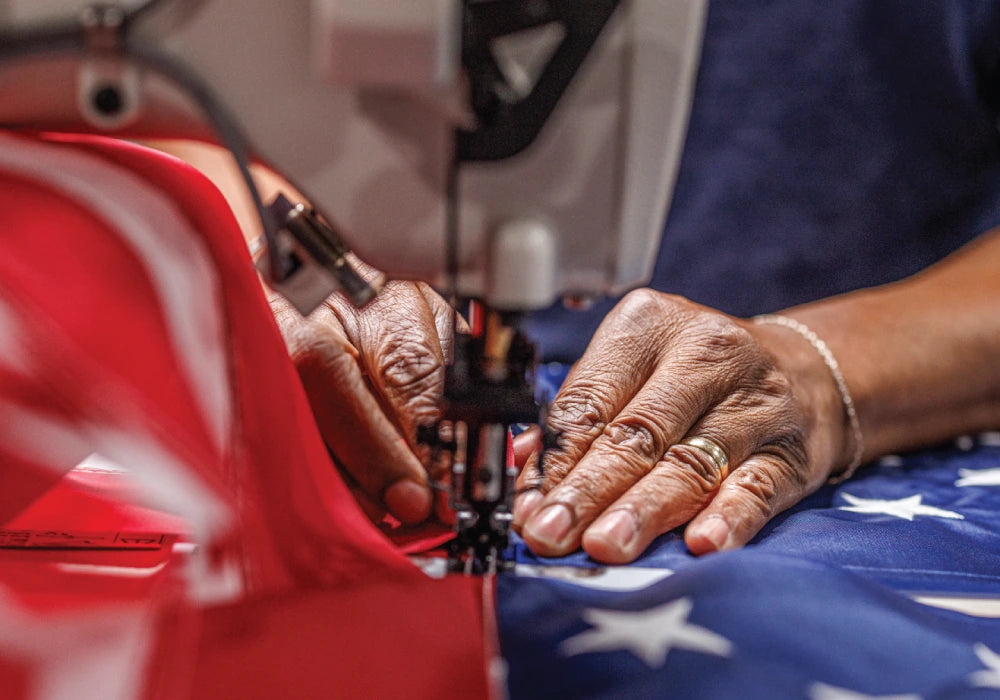
When it comes to selecting a flag to proudly display on your boat, there are a number of factors to take into consideration. A paramount point among them is the provenance of the flag. There is undeniable value in opting for American flags made in the USA. Such flags are typically imbued with a level of quality that originates from decades, even centuries, of refined craftsmanship. American-made flags often reflect a superior quality in the fabric, stitching, and colors employed, a testament to the high manufacturing standards prevalent in the country.

Moreover, making a choice to buy from an American flag store offers much more than just acquiring a high-quality product. It's also about supporting local businesses and contributing to the American economy. Your purchase has far-reaching implications beyond the transaction itself. It's an investment in the livelihood of local artisans and entrepreneurs, as it helps them sustain their operations and continue their trade. The ripple effects of such an act of patronage can be substantial, strengthening the local economy and creating more opportunities for growth. Supporting domestically produced flags fosters domestic talent. It encourages artisans and manufacturers to uphold and improve their craft, pushing the boundaries of quality and innovation. It helps retain traditional skills and techniques while also promoting the integration of modern technology. In essence, when you purchase an American-made flag, you're not only investing in an item of superior craftsmanship, but you're also helping to keep the American spirit of industriousness and ingenuity alive and thriving.
Selecting Your Flag Pole Material
You'll need to account for various factors, including the size of your boat, the weight of the flag you wish to fly, and the weather conditions you typically face while sailing. For instance, if you have a smaller vessel, lightweight materials like aluminum or fiberglass might be more suitable choices for your flagpole. These materials have the advantage of being both durable and lightweight, minimizing any additional load on your boat and making them easy to handle, even in more turbulent weather conditions. The weight of different flagpole materials affects ease of installation and handling, especially in a marine environment.
In contrast, if you own a larger boat, a more robust material like stainless steel could be the ideal choice for your flag pole. Stainless steel is renowned for its strength and resilience, capable of withstanding the rigors of the open sea and supporting the weight of larger, heavier flags. Not to mention, it also offers the added benefit of longevity, capable of withstanding harsh marine conditions over extended periods.
Maintaining Your Flag Pole
Regardless of the type of material you choose for your flag pole, it's essential to remember that regular maintenance and care are key to preserving its longevity and ensuring it remains in optimal condition. The harsh marine environment can take a toll on your flagpole, making routine upkeep an absolute necessity.
-
Regular Cleaning - Use gentle, non-abrasive cleaning solutions to remove salt deposits and grime. Avoid harsh chemicals that could damage the pole's material.
-
Visual Inspections - Frequently examine your pole for signs of damage such as chipping, rusting, or cracks. Early detection of these signs can help prevent more significant problems.
-
Timely Repairs - If signs of wear and tear are detected, don't delay in carrying out necessary repairs. This could involve repainting, polishing, or even replacing parts of the pole.
-
Proper Storage - If you're not using the flag pole, store it in a dry, safe place to prevent unnecessary exposure to the elements.
By incorporating these practices, you can ensure your flag pole continues to display your flag for many sailing seasons to come proudly.
Shopping for Quality Flag Poles and Flags
When it's time to buy American flags, consider the reputation of the manufacturer or retailer. It might be tempting to purchase cheaper options, but remember the saying, “You get what you pay for.” Look out for a flag store online that displays transparent customer reviews and detailed product specifications.
Cost and Value Comparison
There are cost differences between flagpole materials and how these relate to their expected lifespan and maintenance requirements. When selecting a flagpole for your boat, it’s essential to consider not only the upfront cost but also how that investment will hold up over time. Aluminum flagpoles, for example, are typically more affordable than stainless steel and require less maintenance due to their natural resistance to rust. Fiberglass poles may cost slightly more initially, but their durability and minimal upkeep often offset the higher price over their lifespan. Stainless steel, although the most expensive option, offers unmatched longevity and strength, potentially reducing the need for replacement. Choosing a material with a higher upfront cost can deliver better long-term value by minimizing maintenance and replacement expenses.
Aesthetic and Finish Options
The visual appearance and available finishes for various flagpole materials include options like anodized, powder-coated, or gel-coated surfaces. When it comes to the visual impact of your boat’s flag display, the finish and appearance of the flagpole itself play a significant role in complementing both your vessel and the flag it supports. Modern flagpoles are available in a variety of materials, each offering distinct aesthetic qualities and customizable finishes to suit personal preferences and boat styles. For aluminum flagpoles, finishes such as satin, anodized, and powder-coated are popular choices. Satin aluminum provides a clean, brushed metallic look that gradually softens in brightness over time, lending a classic and timeless appeal to your boat. Anodized aluminum finishes, available in colors like clear, dark bronze, and black, not only enhance the pole’s appearance but also add an extra layer of protection against corrosion and surface wear. This process creates a sleek, uniform color that resists fading and chipping, ensuring your flagpole maintains its refined look even after repeated exposure to sun and saltwater.
Powder-coated finishes offer even greater customization, with a wide palette of colors such as white, bronze, black, and more. The powder-coating process involves applying a dry powder to the pole’s surface and curing it under heat, resulting in a durable, smooth, and vibrant coating that stands up to marine elements. This allows boat owners to match or contrast their flagpole with their boat’s color scheme, creating a cohesive and eye-catching display. For those opting for fiberglass flagpoles, gel-coated finishes are the standard. A high-quality gel coat provides a glossy, polished surface that resists yellowing, UV damage, and moisture intrusion. Gel-coated fiberglass poles retain their bright, attractive appearance with minimal maintenance, making them a favorite for boaters seeking a modern, low-maintenance look.

Peering into the Future of Flag Poles
With advancements in materials science, the construction of flagpoles is likely to evolve, leading to longer-lasting and more durable options. As such, the lifespan of flags, particularly those made from premium materials like US flags, can also be expected to be boosted.
Investing in high-quality flagpole material and an American-made flag has its benefits beyond the visible aesthetics. It adds to the longevity of your flag, ensures the flag remains vibrant and resilient, and underscores your pride and respect for your nation. In light of this, consider making your next purchase from the best American flag company you can find. While quality might come at a higher price point, the symbolic value and durability make it a worthwhile investment. Show your pride on the water with an American-made flag and durable marine-grade flagpole from Allegiance, crafted to fly high, last long, and honor the spirit of the sea.